
Paripesa Shops in Nigeria: History, Operations & Impact
Explore the history and operations of Paripesa shops in Nigeria, their economic impact, legal challenges, and role in communities 🎲💰🇳🇬
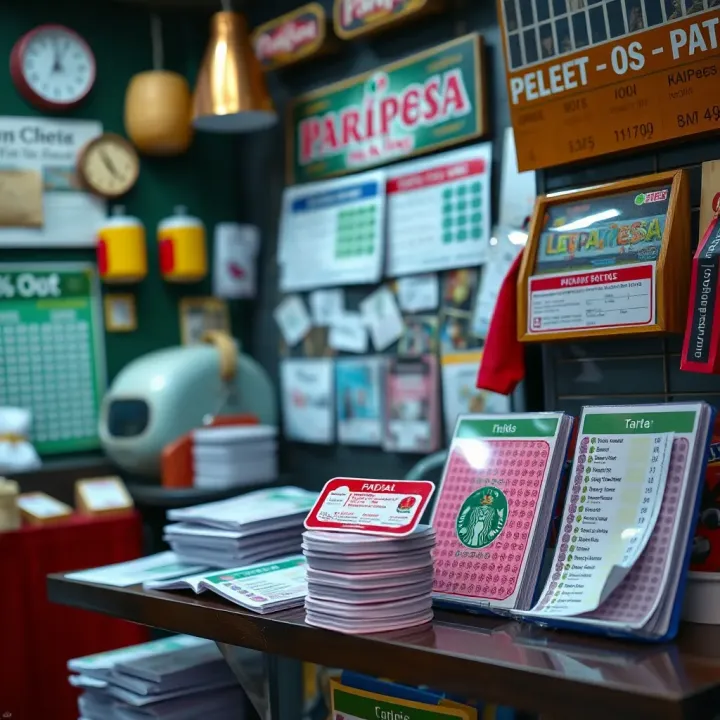
Paripesa shops have become a common sight across Nigerian towns and cities, serving as local hubs for lottery and sports betting. Unlike formal betting companies with digital platforms, paripesa shops primarily operate as physical betting centres where customers place bets on events ranging from football matches to daily lotteries.
These shops contribute significantly to Nigeria's informal economy. Many rely on cash transactions, attracting a broad spectrum of bettors, from casual players to regular punters. This informal nature allows them flexibility but also exposes them to regulatory scrutiny.

Paripesa businesses often run on modest setups— a laptop or smartphone with internet access, a printer for issuing tickets, and sometimes, a small generator to cope with erratic power supply. Some operators use software provided by betting platform companies, while others depend on manual record-keeping and third-party agents.
While paripesa shops thrive by capturing everyday Nigerians’ love for betting, they operate in a grey area that demands careful navigation of legal frameworks and market dynamics.
Key features of paripesa operations include:
Cash-based betting: Most customers prefer cash, which suits the informal markets where banking penetration is limited.
Localised reach: Density of shops in busy neighbourhoods, markets, and transport hubs makes them highly accessible.
Varied betting options: From football accumulators to quick pick lottery tickets, offerings vary depending on clientele and operator.
Low startup capital: Compared with formal betting shops, paripesa operations require less initial investment, making them attractive to entrepreneurs.
Understanding how paripesa shops function helps clarify their role as livelihood sources for many Nigerians and underlines potential business opportunities. For investors or budding operators, recognising the operational challenges and legal considerations helps formulate smarter strategies for growth.
This article will unpack these elements, drawing a clear picture of what to expect in Nigeria’s vibrant paripesa scene.
Paripesa shops have become an integral part of Nigeria's betting culture, serving millions of customers keen on engaging with various lottery and sports betting activities. Understanding how these shops operate helps clarify their role in Nigeria's informal economy and the opportunities they offer. These shops are often found in bustling neighbourhoods, offering accessible betting services to a wide range of people.
At the core of paripesa shops is the sale of lottery tickets. Customers can purchase tickets for national or regional lotteries, hoping to win cash prizes that can range from modest sums to life-changing amounts. For example, the Nigerian National Lottery offers daily and weekly draws, with customers typically selecting numbers or relying on quick picks. These ticket sales are straightforward and attract a broad demographic, from traders in marketplaces to young adults looking for quick gains.
Sports betting is another major service offered by paripesa shops. They provide betting slips and odds on popular sports such as football, basketball, and boxing. Football, in particular, draws huge patronage, with customers placing bets on Nigerian Professional Football League matches or international games like the English Premier League. This segment appeals especially to male customers who follow sports keenly and enjoy the thrill of predicting outcomes. Shops usually display odds and match details openly, helping bettors make informed choices.
Beyond traditional lotteries and sports betting, many paripesa shops offer instant win games. These are quick-play games where customers pay to participate and immediately learn if they’ve won—a popular choice among people who want instant gratification. Examples include scratch cards or simple number games tied to daily draws. In busy areas, instant games drive foot traffic because they require minimal time and offer immediate results, making them attractive during brief breaks from work or errands.
When a customer visits a paripesa shop, they typically choose their game, provide their selected numbers or pick betting options, and pay upfront. The shopkeeper then issues a printed betting slip or ticket as proof. This slip is crucial; customers must keep it safe until the draw or event finishes. For instance, a Lagos-based trader might drop by his usual paripesa shop to place a ₦500 bet on a football match using the slip system.
If the bet wins, the customer returns the ticket to the shop to claim the prize. The shop owner verifies the ticket’s validity before making payment. Because many paripesa shops operate on tight margins, prize payments are usually cash-based, handled on the spot or on scheduled payout days. This immediacy builds trust but also requires shops to keep sufficient liquidity for payouts, often influencing their daily cash management.
Nigerian bettors show distinctive patterns, often favouring multi-number bets or accumulator bets, especially in football. Cultural factors mean certain numbers, like dates of birth or significant local events, frequently appear on betting tickets. Many bettors also prefer placing smaller bets regularly over high stakes less often, reflecting cautious optimism. Additionally, weekend matches and ember months see spikes in betting activity, indicating social and seasonal influences on betting habits.
Paripesa shops thrive because they offer accessible, quick, and social ways to participate in betting, blending entertainment with potential financial gains for many Nigerians.
Understanding these operational details helps those looking to enter the paripesa market or participate responsibly as customers, highlighting both the business potential and the cultural backdrop driving this sector.
Paripesa shops play a vital role in income generation for shop owners and agents, especially in local communities where formal employment options may be limited. For many operators, running a paripesa shop provides a steady stream of revenue from commissions earned on lottery ticket sales and betting. For example, a single shop in a busy neighbourhood might generate daily commissions worth ₦5,000 to ₦10,000, which compounds significantly over weeks and months. This income supports their household needs and reinvestment in the business.

Agents working for these shops also benefit directly, earning small but steady rewards for every successful bet placed via their referral. This structure allows paripesa businesses to provide grassroots economic activity outside formal banking or corporate ecosystems. It is common to see paripesa shop owners who supplement their earnings with small-scale services like selling airtime or snacks to add to their income.
Apart from individual income, paripesa shops contribute broadly to local economies by circulating money in ways that help support nearby businesses. For instance, a bettor may stop at the nearby mama put for a quick meal after placing bets, thus boosting other informal vendors.
Paripesa shops create several informal jobs in Nigerian communities. While many shops are owner-operated, they frequently employ attendants or clerks to handle customer interactions, record-keeping, and transactions. These roles provide employment for youths who might otherwise struggle to find work, allowing them stability and a chance to develop money-handling and customer service skills.
Additionally, the shops indirectly generate jobs through supply chains, like ticket printing, software maintenance, and cash handling services. In some towns, paripesa shops also attract local marketing agents who promote bets and inform bettors of new games or winnings, further spreading employment.
On the community level, these employment opportunities contribute to reducing restlessness among the youth, especially in areas with limited state support. The shops serve as hubs of economic activity, helping to absorb some of the labour force that informal markets often sustain.
Betting at paripesa shops has become a popular social pastime among Nigerians from different backgrounds. Many see it as an affordable form of entertainment and a way to bond with friends or neighbours over shared hopes of winning. It’s not unusual for people to meet daily or weekly at their favourite shop, exchanging tips and banter while waiting to place or collect bets. This pastime is especially lively during major football leagues or lottery draws, when conversations can run late into the evening.
Moreover, these shops often serve as social meeting points within communities. They bring people together not only for betting but also for general interaction, sometimes acting as informal notice boards or gossip centres where news and community matters get discussed. For instance, in some neighbourhoods, betting shops double up as places where locals catch up on politics, sports, or market news, keeping social glitches at bay.
Paripesa shops, beyond their business function, weave into the social fabric by promoting daily community interactions and providing a relaxed environment for socialising.
This communal aspect reinforces cultural bonds and keeps traditions alive around collective activities. Despite concerns about gambling risks, many users appreciate the role these shops play in fostering neighbourly relations and everyday conversations.
The betting industry in Nigeria, including paripesa shops, operates within a legal framework that aims to regulate activities, ensure fair play, and protect consumers. Understanding this framework is essential not only for entrepreneurs but also for bettors who want to know their rights and the legitimacy of the services they engage with. The legal context affects licensing requirements, operational boundaries, and the enforcement of rules, directly impacting how paripesa shops thrive or struggle.
The Nigerian Lottery Act is the foundational law governing lottery and betting activities in the country. It outlines the permissible operations, licensing procedures, and penalties for illegal betting. The Act intends to curb unregulated gambling while enabling licensed operators to function transparently. For paripesa shops, complying with the Lottery Act means acquiring the appropriate licence and following reporting rules, such as submitting periodic records to regulatory bodies.
This legislation also protects consumers by stipulating standards for payouts and preventing exploitative practices. However, many paripesa operators remain unaware of the detailed provisions, risking non-compliance and potential closure.
The National Lottery Regulatory Commission (NLRC) enforces the Lottery Act and oversees the licensing of paripesa operators. The commission issues licences, monitors operators’ activities, and ensures adherence to laws designed to maintain integrity in betting.
Besides licensing, the NLRC audits business practices, tackles illegal operations, and educates operators about updates in regulation. Their involvement is crucial for fostering trust between bettors and shop owners. For instance, a licensed paripesa shop usually signals a safer environment for customers compared to unregulated alternatives.
Unlicensed paripesa shops represent a significant challenge in Nigeria’s betting scene. Many operators avoid formal registration with the NLRC either due to the initial costs or to bypass regulatory scrutiny. This situation leads to a thriving black market where bettors risk losing money without legal recourse if disputes arise.
The presence of unlicensed shops complicates tax collection and distorts competition. Licensed operators find it harder to compete fairly when others evade taxes and regulatory costs. Efforts to clamp down on such shops often face resistance and logistical challenges, especially in congested urban areas.
Security remains a pressing issue for paripesa shops. Fraudulent activities, such as tampering with betting slips, fake winnings, or sales of counterfeit tickets, undermine customer confidence and harm the industry's reputation. Without stringent controls and effective oversight, these risks escalate.
Furthermore, inadequate security at some shops leaves cash and sensitive customer information vulnerable to theft. This situation deters many from participating fully or trusting the system. Implementing robust fraud detection measures and promoting transparent transaction methods, like mobile payments integrated with platforms such as OPay or Paystack, can reduce these risks significantly.
Licensed paripesa shops contribute to a safer and more reliable betting environment, but ongoing regulatory challenges and underground operations remain hurdles that need constant vigilance.
In summary, the legal framework sets the ground rules while the regulatory bodies strive to enforce them, yet challenges with unlicensed operations and security threats persist. Understanding these aspects helps stakeholders make informed decisions, whether running a paripesa business or placing a bet.
Starting and running a paripesa shop requires practical planning and a clear understanding of the day-to-day needs. Getting the basics right ensures smooth operations and a steady flow of customers, which directly affects profitability. This section looks at key areas any prospective paripesa operator must focus on—from choosing a good location to managing daily activities efficiently.
Choosing the right location is the first step to a successful paripesa business. Ideally, a shop should be in a busy area with high foot traffic, such as near markets, transport hubs like bus stops or motor parks (danfo and okada stands), or close to large residential communities. For example, a paripesa shop near Oshodi market in Lagos can attract daily visitors constantly looking to place bets as they move about.
Access to parking and visibility also matters. A shop tucked away in an alley without proper signage will struggle to draw attention. Good lighting and a clean, welcoming environment encourage bettors to come back. Location directly influences daily customer volume and earnings, so careful evaluation is worth the time.
Setting up a paripesa shop does not demand huge capital but needs enough to cover basic expenses. The initial outlay typically includes renting a space (or converting an existing structure), buying a reliable POS (Point of Sale) terminal, computers or tablets to access betting platforms, and stationery for record-keeping.
Owners must budget for a secure cash box or safe, a notice board for displaying betting rules and announcements, and possibly a generator if power supply is irregular – a common issue in many parts of Nigeria. Expect to spend between ₦300,000 and ₦700,000 depending on location and scale.
A neat, organised system for handling betting slips is essential. Proper record-keeping helps avoid disputes and makes it easier to track transactions. Some shops use simple ledgers or accounting books, while others rely on electronic records synced with the betting platforms.
For instance, a shop in Ibadan might maintain both physical and digital records to cross-check payouts and bet adjustments. Efficient management prevents errors like double payouts or lost tickets, which can damage reputation and incur losses.
Handling cash safely is critical given the amounts involved daily. Shop owners should limit the amount of cash on hand by using quick bank deposits or mobile money transfers. Having CCTV cameras and good locks reduces risks of theft or fraud.
Integrating mobile payment platforms such as OPay, Paystack, or Flutterwave can facilitate safer, cashless transactions, especially among younger bettors who prefer digital methods. Securing customer data during electronic transactions also helps build trust and regulatory compliance.
To stay competitive, paripesa shops must engage customers actively. Offering small bonuses, like free bets or discount incentives for first-time customers, can boost footfall. Displaying scores, match fixtures, and lottery results updates attracts attention and encourages repeat visits.
Community engagement works well too. Some shops partner with local eateries (mama puts) nearby to offer combined deals or run informal betting tournaments during peak sports seasons. Word-of-mouth remains powerful, but clear promotions in busy areas help pull in diverse bettors.
Opening a paripesa shop means more than just providing betting services—it's about creating a trustworthy, engaging space estimated to bring sustainable income amidst Nigeria’s informal economy.
By focusing on location, capital planning, proper management, and attentive customer engagement, paripesa operators can position themselves for lasting success amid competition and evolving market trends.
Paripesa shops in Nigeria stand at a crossroads where traditional betting methods intersect with new technologies and shifting market demands. Grasping the future opportunities and trends is key for entrepreneurs aiming to stay ahead and diversify income streams. These trends include digital transformation and expanding customer pools, which reshape how paripesa businesses manage operations and attract clients.
Integration with mobile payment platforms allows paripesa shops to streamline transactions and reach a wider audience. Many Nigerians now rely on mobile wallets and USSD codes, offered by platforms like OPay, Paga, and PalmPay, to make cashless payments. By partnering with these services, paripesa shops reduce cash handling risks and speed up bet placements and payouts. This convenience attracts younger, tech-savvy bettors who prefer fast, secure services without visiting a physical shop. For example, shop owners in Lagos have boosted daily turnover by accepting payments via mobile apps alongside traditional cash.
Online paripesa services represent another promising avenue. Entrepreneurs can launch websites or mobile apps featuring lottery and sports betting options accessible anywhere with internet. This expands customer reach beyond local neighbourhoods, especially among Nigerians in rural areas or diaspora communities. The major challenge is regulatory compliance, but platforms that align with the National Lottery Regulatory Commission's requirements can legitimise and grow quickly. This digital shift also facilitates data collection on betting patterns, helping shops personalise offers and improve risk management.
Targeting younger demographics offers substantial growth for paripesa businesses. Nigeria’s youths, who make up a significant portion of the population, display high interest in online sports, especially football betting. Engaging this group requires combining social media marketing with easy access to digital betting formats. Many youths prefer betting through apps on their smartphones rather than visiting physical shops, meaning a hybrid approach is necessary. Paripesa owners who adopt social media outreach and mobile interfaces gain competitive advantage.
Cross-promotions with other entertainment sectors provide creative ways to attract customers and increase betting volumes. For instance, collaborating with Nollywood producers to advertise betting during popular movie premieres or partnering with suya spots near sports viewing centres merges entertainment with betting. This strategy taps into social events where potential bettors gather, amplifying exposure without hefty advertising costs. Additionally, joint promotions with music artists or event organisers offer exclusive bonuses or jackpot pools, stimulating customer engagement and loyalty.
Embracing these future trends is not just about technology adoption; it’s about understanding evolving Nigerian lifestyles and preferences that influence betting behaviour.
Overall, digital change and smart marketing strategies will drive successful paripesa shops tomorrow. Staying updated with these trends helps operators maximise profits and deepen community connections while complying with Nigeria’s evolving regulatory landscape.
Explore the history and operations of Paripesa shops in Nigeria, their economic impact, legal challenges, and role in communities 🎲💰🇳🇬
⚽ Stay updated with live scores and master Paripesa betting in Nigeria. Get tips on popular sports, make smart bets, and enjoy safe, fun wagers ₦ style!
Discover Paripesa 🇳🇬, Nigeria’s online sportsbook where you can bet on football and other sports safely. Learn how to register, pay, and enjoy betting responsibly 🏆💰
Discover how Paripesa JetX Free works and how Nigerian gamers can play at no cost 🎮 Stay safe, learn strategies, and know the legal side before you start betting ₦.
Based on 6 reviews