
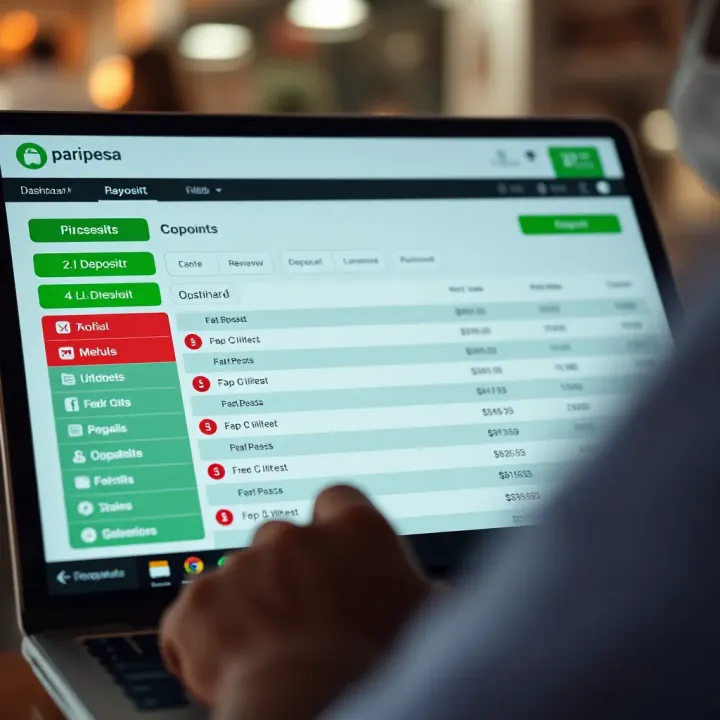
How to Register on Paripesa: Guide for Nigerians
📲 Learn how to register on Paripesa, Nigeria’s trusted betting platform. Step-by-step guide covers account creation, verification, deposits & tips for safe betting! 🇳🇬
Edited By
Efe Okonkwo
Paripesa shops have played a distinct role in Nigeria's informal gambling scene for decades. Starting out as simple betting outlets in bustling markets and local neighbourhoods, these shops offer Nigerians a chance to place bets on popular sports like football, serving as both entertainment and a source of income for many.
The roots of Paripesa shops trace back to the late 20th century when informal operators filled a demand for accessible betting opportunities. With little regulation then, these shops grew in popularity, especially in cities like Lagos, Kano, and Port Harcourt. Over time, they developed into well-recognised community hubs, combining gambling with social interaction.
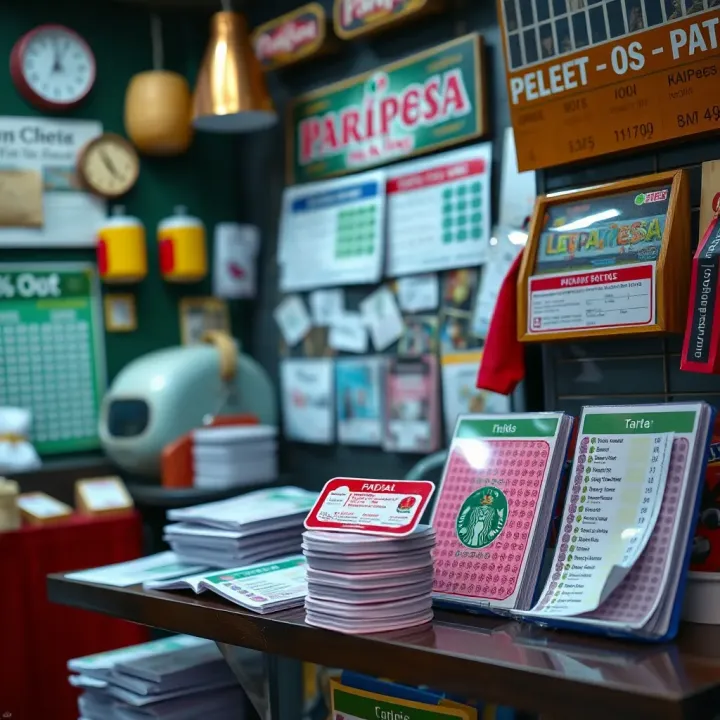
Paripesa shops are more than just betting centres; they have become an informal economic engine for operators and youths engaging in daily wagers.
The operations of these shops typically involve agents who manage day-to-day betting slips, odds-setting, and cash transactions. Most bets centre on local and international football matches, while some shops offer lottery-style games. Unlike licensed sports betting firms that use digital platforms, many Paripesa shops still rely heavily on physical paperwork and manual record-keeping. However, with the rise of mobile payment apps like OPay and Paystack, some operators now integrate technology to ease transactions and improve record accuracy.
Despite their popularity, Paripesa shops face significant legal challenges. The Nigerian government, through agencies like the National Lottery Regulatory Commission (NLRC), has sought to regulate betting activities and licences. Many Paripesa shops operate informally, risking raids and fines. This grey zone affects how operators run their businesses and how bettors trust the fairness of bets.
Understanding the history and practical workings of Paripesa shops sheds light on their impact within Nigerian communities. These shops contribute to local economies by employing youths and circulating cash, yet they also carry social risks including problem gambling and financial losses for customers.
In the following sections, we will explore the detailed history of Paripesa shops, how they continue to run in today’s Nigeria, and their broader economic and cultural significance.
Understanding the roots of Paripesa shops is key to grasping their current role in Nigeria's informal betting scene. These establishments didn't emerge overnight; they grew from traditional gambling customs, gradually formalising and spreading as popular community hubs. This history sheds light on their enduring appeal and operational style, which continue to influence how the industry evolves today.
Before Paripesa, Nigerians engaged in informal gambling largely based on age-old games and local customs. In markets and social gatherings, simple guessing games or number draws provided entertainment and the chance to win small prizes. Such activities were not regulated but deeply embedded in community culture, reflecting local values and social bonds.
The Paripesa betting format introduced a more structured way to gamble, often involving numbers and incremental betting stakes. This system appealed widely because it was easy to understand and offered immediate results, drawing bettors from different social strata. The simple lottery-style draw became a staple, blending traditional gambling's communal nature with a more systematic approach.
Regional variations shaped early Paripesa forms significantly. For example, what worked in Lagos with its urban crowd differed from models in Northern states, where community consensus and cultural norms shaped acceptable betting styles. These variations ensured Paripesa adapted to local tastes and societal expectations, helping it take root across the country's diverse settings.
Paripesa shops expanded rapidly in Lagos, Abuja, Kano, and other key cities as demand for accessible betting options grew. Locations were commonly chosen near transport hubs, markets, and busy streets, making it convenient for customers to participate daily. The spread linked closely with urbanisation and Nigeria’s youthful population keen on informal entertainment and quick gains.
Beyond gambling, Paripesa shops became community hotspots. They offered social space where people discussed news, football matches, politics, and everyday life. This role enhanced their appeal, making the shops more than just betting centres—they became informal community lounges.
Paripesa’s interaction with evolving lottery systems also contributed to its steady growth. As formal lotteries and state lotteries introduced official draws, Paripesa adapted by offering complementary or alternative betting options. This synergy helped maintain Paripesa’s relevance despite increasing government attention on gambling regulation.
From humble guessing games to major urban betting hubs, Paripesa shops have woven themselves into Nigeria’s social and economic fabric.
Understanding the operations and betting mechanics of Paripesa shops is key to grasping their place in Nigeria's informal gambling scene. These shops offer accessible betting experiences to many Nigerians, blending traditional and modern elements. Knowing how these shops function helps bettors make informed decisions and provides insight into their economic and social roles.
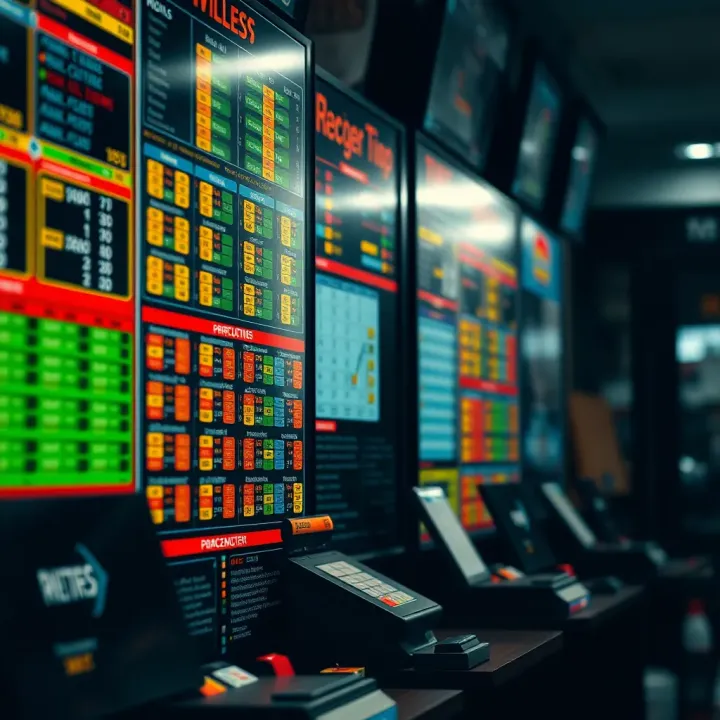
Paripesa shops often occupy small storefronts in densely populated urban areas or alongside busy roads, such as in Lagos or Kano. Their location choices are strategic, aiming to catch high foot traffic from passersby, okada riders, danfo passengers, and nearby market shoppers. The physical setup is usually basic — a counter with betting slips, a blackboard or whiteboard displaying numbers or results, and sometimes noticeboards with announcements or deadlines.
Commonly, operators use simple tools like pens, printed betting sheets, and ticket dispensers. A calculator may be present to help with quick prize computations. Some shops incorporate small digital devices or tablets, reflecting gradual tech adoption. This equipment supports efficient customer service and record-keeping, crucial when handling numerous daily bets.
Customer engagement happens mainly at the counter, where bettors approach to place their bets. Operators often build rapport with regulars, discussing strategies or recent results. Ticket sales are straightforward: customers pick numbers or bet types, pay the corresponding amount, and receive a printed ticket as proof. This personal interaction is central to the culture of Paripesa, providing a human touch often missing in online alternatives.
Paripesa shops offer various bet types, primarily number-based guesses aligned with lottery draws or football matches. Common options include single-number bets, multiple-number combinations, and accumulators on game outcomes. The flexibility allows bettors to choose simple or complex wagers depending on their risk appetite and budget.
Results are mostly determined by official lottery draws or sanctioned sports outcomes. For example, draws such as Nigeria National Lottery kicks off the daily betting results displayed in shops. Some Paripesa games also follow unofficial local draws, which might affect transparency and trust. Therefore, understanding the legitimacy of the source is crucial for bettors seeking reliable results.
Prize distribution usually occurs promptly after results are announced. Winners must present their tickets within a stipulated time, often the same day, to claim prizes. Payments may be in cash or, increasingly, through mobile money services like Paga or Opay, reflecting Nigeria’s growing digital financial inclusiveness. Shops maintain a payout record to prevent disputes and ensure smooth settlements.
Operators who stick to transparent betting and prompt prize payment build stronger trust and customer loyalty, giving their shops a competitive edge in bustling markets.
The practical setup and clear betting mechanics are what sustain Paripesa shops’ popularity. Understanding these details helps both new and seasoned Nigerian bettors navigate this informal sector more confidently.
Understanding the legal and regulatory landscape around Paripesa shops is key to grasping how these betting outlets function within Nigeria. This environment shapes operators' activities, safeguards bettors where possible, and sets limits enforced by authorities. Paripesa operates in a sector where formal legislation often struggles to keep up with growing informal practices.
At the national level, gambling falls under regulations such as the National Lottery Act and various state statutes, which differ considerably. Most states have their own gaming laws that affect Paripesa shops, especially regarding the legality of betting and lottery operations. For example, Lagos State's betting laws enforce restrictions on unlicensed gaming outlets, leading to clashes with Paripesa operators who often function outside formal oversight.
Official licensing aims to regulate who can run betting activities legally. Operators must obtain licences from state gaming boards or national bodies, which entail meeting specific criteria like age restrictions, proper records, and tax compliance. However, many Paripesa shops remain unlicensed due to cost or bureaucratic challenges, leaving them vulnerable to legal penalties.
Crackdowns have become frequent, with regulatory agencies, including the Nigerian Police and Nigeria Security and Civil Defence Corps (NSCDC), raiding unlicensed Paripesa locations. These actions aim to curb illegal gambling and protect the public from fraudulent schemes. Despite these efforts, enforcement varies by region, with tighter monitoring in urban centres like Abuja and Kano compared to more lenient oversight in smaller towns.
The informal status of many Paripesa operators complicates regulation. Most shops operate without official recognition, often paying little or no tax, which deepens the informal economy's footprint. This status also creates a grey area where regulatory bodies cannot easily monitor activities or hold operators accountable.
Regulations also impact how Paripesa shops run daily. Strict laws force some operators to use discreet locations or limit visible marketing, affecting customer access. Conversely, excessive enforcement drives shops underground, raising risks of fraud or exploitation. Striking a balance between control and enabling fair operations remains a struggle.
Traditional authorities and community norms also influence compliance. In many areas, local leaders mediate between operators and government officials, sometimes endorsing Paripesa shops as sources of community income despite legal ambiguities. This dynamic reflects a blend of formal law and customary acceptance that shapes how regulation is practically applied.
Paripesa's legal environment is a patchwork of formal laws, local customs, and enforcement practices, making it a complex sector to regulate effectively.
This complexity requires ongoing attention from policymakers, operators, and communities to ensure Paripesa shops contribute positively while minimising social risks.
Paripesa shops hold a significant place in many Nigerian communities, not just as centres of entertainment but also as economic engines and social hubs. Their presence influences local economies, provides jobs, and shapes community attitudes towards gambling. Understanding these effects is essential for appreciating why Paripesa remains such a persistent part of Nigerian urban and semi-urban life.
Income generation for operators and agents: Paripesa shops create direct income opportunities. Operators, often small business owners, manage the daily flow of bets and prizes, making profits from the commissions on winnings. Agents, who sell tickets on behalf of the shops, earn commissions that support their households. For example, a Paripesa agent in Lagos might pocket ₦5,000 to ₦10,000 weekly, a meaningful contribution for many informal sector workers.
Indirect employment opportunities: Beyond direct operators, Paripesa shops sustain several associated jobs. Local traders supplying airtime or small goods to the shops find steady business. Motorcycle riders (okada) ferry customers looking to place bets, while stationery sellers benefit from demand for tickets and forms. This ripple effect spreads economic activity throughout the community, supporting livelihoods even among those not directly involved in betting.
Role in informal economy circulation: Paripesa operates substantially within Nigeria's informal economy, recycling money within local markets. Money spent on betting frequently returns to the community through prize payouts or reinvestment in small businesses. This circulation helps maintain liquidity in areas often underserved by formal banking services and provides an alternative means of economic participation for the youth and unemployed.
Popularity among different demographic groups: Paripesa attracts a broad range of Nigerians, cutting across age, gender, and social class. Young adults often see it as a quick chance to earn some cash, while older players might treat it as a form of leisure. Particularly in areas with few recreational options, Paripesa shops serve as informal gathering points where people exchange news and socialise, further embedding the betting culture.
Concerns over gambling addiction: Alongside its popularity, worries about gambling addiction are growing. Some players develop habits that impact their financial stability and family life. For instance, in cities like Ibadan and Kano, local NGOs have reported cases where excessive betting led to debt and social alienation. These concerns highlight the need for responsible gambling awareness and potential community support mechanisms.
Community reactions and cultural acceptance: Reactions vary widely. In some communities, Paripesa is accepted as part of daily life and seen as harmless fun or entrepreneurial opportunity. In others, particularly with strong religious influences, Paripesa is frowned upon due to moral objections. Despite this, many communities have found a way to coexist with the shops by balancing traditional values with economic realities.
Paripesa shops are more than just gambling spots; they are intertwined with Nigeria’s social fabric and informal economy, reflecting complex community dynamics.
Understanding these social and economic effects provides a fuller picture of Paripesa's role beyond just betting, highlighting the challenges and benefits it brings to Nigerian society.
Looking ahead, the future of Paripesa shops in Nigeria is shaped by shifting technologies and evolving policies. These trends are crucial to understanding how the traditional roadside betting hubs will adapt in an increasingly digital and regulated environment. By focusing on emerging opportunities and challenges, stakeholders can better prepare for changes that affect operators, customers, and communities.
Shift from physical to digital platforms: The Paripesa business model is slowly migrating from purely physical shops to online platforms. More Nigerians are turning to mobile apps and websites to place bets, driven by convenience and wider access to outcomes in real-time. This shift reduces the dependence on physical locations, making betting accessible beyond major cities to smaller towns and rural areas. For example, operators can use apps to reach youth who rarely visit traditional shops.
Integration with mobile payment systems: Mobile money services like Paga and OPay have become integral in streamlining fund transfers for online bets. The ease of topping up accounts, withdrawing winnings, and paying commissions digitally has lowered barriers for both customers and operators. A bettor in Lagos can now fund bets instantly without queuing or carrying cash, improving security and efficiency. Likewise, agents benefit from transparent transaction records, helping them manage their funds better.
Opportunities and risks of online gambling: Digital betting brings new chances to grow revenue and improve customer experience through targeted promotions and instant notifications. However, it also exposes users to risks like addiction, fraud, and underage gambling. With less face-to-face interaction, monitoring and responsible gambling enforcement become complicated. Paripesa operators venturing online must adopt robust security and compliance measures, or risk regulatory crackdowns.
Possible reforms in gambling regulation: The Nigerian government has signalled interest in updating gambling laws to reflect digital realities. Future reforms may introduce clearer guidelines around online betting, data protection, and tax collection from operators. Proper regulation can encourage investment and formalisation, as seen with recent SEC involvement in fintech. However, any new rules must balance industry growth with consumer protection, or the informal market may continue to thrive unchecked.
Formalisation and licensing trends: Licensing is becoming more structured as authorities seek to legitimise and control Paripesa operations. This shift means many standalone shops might need to affiliate with registered platforms or obtain proper licences. Formalisation brings access to official support, banking services, and legal protections. But smaller operators may struggle with compliance costs or risk losing business to bigger firms better equipped to meet standards.
Impact on traditional Paripesa operators: As the industry evolves, traditional roadside Paripesa operators will face pressure to adapt or risk obsolescence. Some may integrate digital tools or partner with online platforms to maintain relevance. Others could be squeezed out if unable to meet licensing demands or compete with more tech-savvy operators. Still, for many Nigerians, physical shops remain important social spaces offering personalised service—this aspect may preserve their role despite technological disruption.
The future of Paripesa shops hinges on embracing technology and regulation while retaining community trust. Operators and policymakers must work together to ensure an inclusive, transparent, and sustainable betting environment in Nigeria.
📲 Learn how to register on Paripesa, Nigeria’s trusted betting platform. Step-by-step guide covers account creation, verification, deposits & tips for safe betting! 🇳🇬
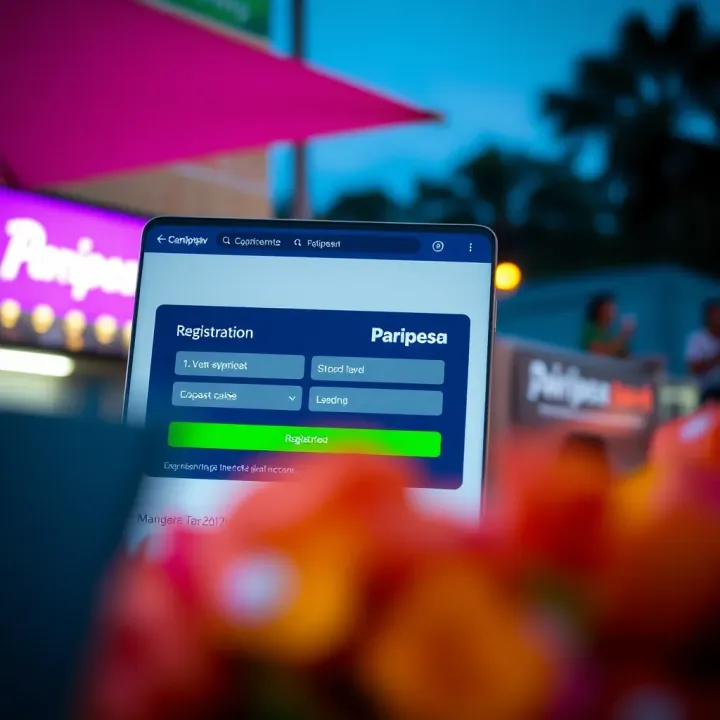
🎯 Learn how to register and start betting on Paripesa in Nigeria! Get step-by-step guides on account setup, verification, deposits, bonuses, and betting tips tailored for you.
📲 Learn how to register and log in to Paripesa Nigeria easily! Get tips on account verification, solving login issues, and safe betting practices tailored for Nigerians. 🏆
🎰 Learn how to log in to Paripesa Casino easily from Nigeria. Get step-by-step registration, login tips, account security, and mobile access advice for smooth play!
Based on 13 reviews