
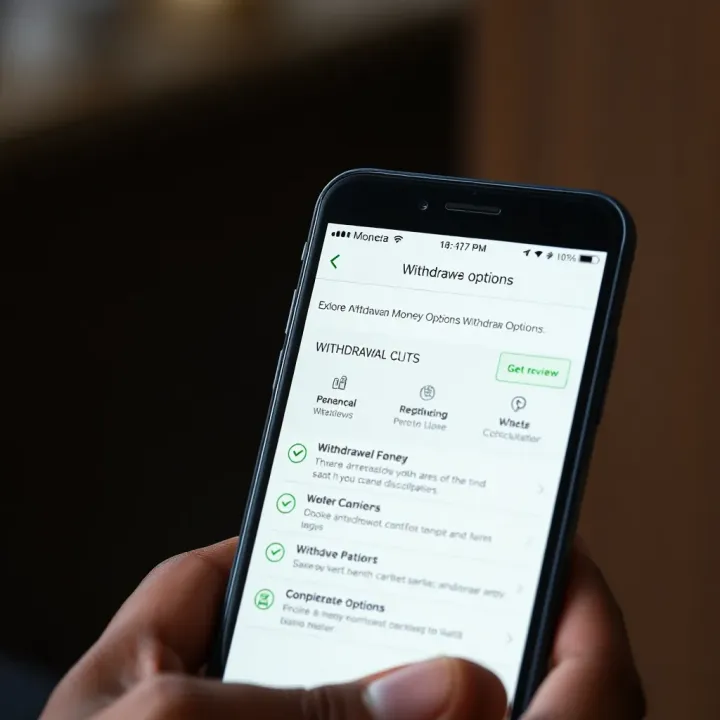
How to Withdraw Money from Paripesa in Nigeria
Learn how to quickly and safely withdraw money from your Paripesa account in Nigeria 🇳🇬. Get tips on verification, withdrawal options, and solving common challenges 💡💰.
Edited By
Tunde Akinwale
Accessing your funds quickly through your OPay wallet is a key convenience for many Nigerians. Whether you use OPay for paying bills, sending money to family, or managing your earnings from betting and freelance work, knowing how to withdraw money into your OPay wallet can save you time and stress.
This guide breaks down the essential steps to get your money flowing into OPay from your bank or card. We will show practical ways to link your bank account or debit card to your OPay app, transfer funds, then access those funds for everyday use.
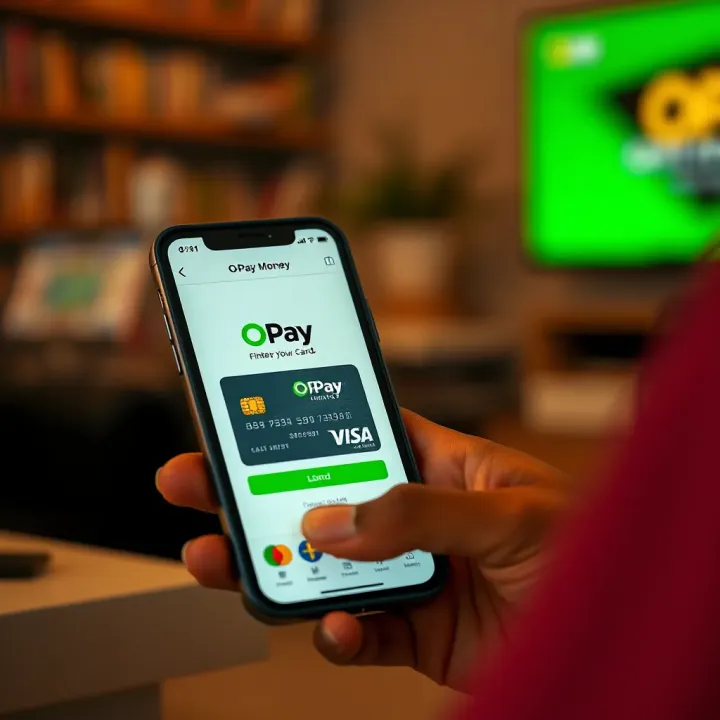
OPay’s growing popularity stems from its ease of use and wide acceptance across Nigeria — from Lagos's busy mama puts to local marketplaces in Kano. Still, users sometimes hit snags involving verification, transaction limits, or network issues. We’ll also cover common challenges and how to solve them so your withdrawals go through without hitches.
By the end, you’ll understand how to make OPay work for you, handling your naira securely while enjoying convenient mobile payments tailored to Nigerian banking practices and fintech ecosystems.
Tip: Ensure your OPay app is updated to the latest version before starting — this often solves many transaction problems.
In the sections that follow, we explain:
How to securely link your bank account or debit card to OPay
Step-by-step methods to transfer money into your OPay wallet
Tips to troubleshoot common withdrawal issues
With these clear steps, your OPay wallet will become a trustworthy extension of your bank, ready for quick payments and cashless spending anytime, anywhere in Nigeria.
Before you can enjoy the convenience of withdrawing money through your OPay wallet, it's essential to set it up properly. This foundation ensures smooth transactions, security, and access to all the app's withdrawal features. Without completing these steps, you might face delays or restrictions, especially when handling larger sums.
The first step is to create your OPay account, which requires a valid phone number and some basic personal information like your name and date of birth. After registration, Nigeria’s financial regulations demand you verify your identity. This KYC (Know Your Customer) process typically involves uploading a government-issued ID such as your National Identification Number (NIN) slip or driver’s licence. Verifying your account not only raises your withdrawal limits but also protects you from potential fraud.
Linking your Nigerian bank account to OPay makes transferring funds between the wallet and your bank seamless. OPay supports all major banks – GTBank, Zenith, Access Bank, First Bank, UBA, just to name a few. To add your bank account, enter your account number and select your bank from the list within the app. The app will perform a quick verification, sometimes requiring a one-time password (OTP) sent to your phone.
This linkage allows you to receive payments directly into your OPay wallet or send money to your bank without withdrawing cash physically. For example, if you win a bet and receive your payout in OPay, you can instantly transfer funds to your GTBank account without visiting a branch.
Alternatively, OPay allows you to link debit or prepaid cards issued by Nigerian banks. This option is especially handy if you want to fund your wallet using card payments or withdraw cash from ATMs using an OPay virtual or physical card. To link a card, provide the card number, expiry, and CVV in the app.
Many users prefer prepaid cards as they offer control over spending limits, making them safer for online use. Plus, OPay supports cards from Mastercard and Visa, so you can use whichever is more accessible. Linking your card means you can also pay for services and goods via OPay more conveniently without moving funds in and out.
OPay sets specific limits on how much you can deposit, withdraw, or transfer based on your account verification level. For instance, a fully verified user may withdraw up to ₦250,000 daily, while unverified accounts face strict caps as low as ₦20,000. Knowing these limits helps you plan your withdrawals effectively, especially if dealing with larger amounts like ₦500,000 or more.
Charges vary depending on the withdrawal method. Using OPay agents might incur a small fee, usually less than ₦100, whereas transferring to a bank account attracts a nominal fee around ₦50 to ₦100. Be sure to check these fees within the app before initiating a withdrawal to avoid surprises.
Setting up and verifying your OPay wallet properly, then linking your bank or card, lays the groundwork for a hassle-free experience. This preparation helps avoid failed transactions and keeps your money safe in a marketplace full of scams.
In summary, a well-prepared OPay wallet means faster withdrawals, better security, and full access to all features you need—whether you’re a bettor cashing out winnings or a professional managing daily finances.
Funding your OPay wallet smoothly is key for seamless transactions and quick withdrawals. Knowing how to transfer money into your wallet ensures you stay in control and ready for payments, airtime purchases, or sending cash to friends. This section breaks down practical ways to top up your OPay wallet, giving you flexibility depending on your preferred banking style or what’s most accessible at the moment.
Performing a bank-to-OPay transfer is straightforward and convenient. If you already have funds in your bank account, you can send money directly to your OPay wallet by initiating a transfer using the bank’s mobile app or internet banking. The OPay wallet has a unique bank account number or code assigned, which you’ll use when making the transfer. For example, using GTBank's app, you select “Transfer,” enter the OPay account details, and confirm the amount. The money reflects almost instantly in your OPay wallet, helping you avoid unnecessary trips to agents.
If you prefer not to use data-dependent apps, USSD codes offer a quick alternative. Nearly every Nigerian bank supports USSD banking, allowing you to transfer money using simple dial codes from your phone. For instance, dialling *737# on MTN or *329 on Access Bank lets you fund your wallet by following on-screen prompts. This method works well when you are in a low-connectivity area or want a fast top-up without logging into an app.

Transferring funds from other mobile money services like Paga or PalmPay into your OPay wallet expands your options, especially if your funds are scattered across different wallets. To transfer, you simply initiate a wallet-to-wallet payment from the sending platform to your OPay mobile number or wallet ID. This process is usually instant, allowing seamless movement of money between platforms. For example, PalmPay users can select "Send Money," enter the OPay details, and complete the transfer without returning to the bank.
Using Point of Sale (POS) terminals and agents also remains a handy method for funding your OPay wallet, especially in areas where digital banking is weak. Many OPay agents double as POS operators and can accept cash deposits in exchange for crediting your wallet. This is convenient if you prefer handling cash or have access to agents in markets or malls. Plus, POS transactions often have lower charges compared to other funding methods, making it a favourite among many Nigerians managing daily expenses.
Another funding route is receiving transfers from family or friends. Since OPay wallets link to mobile numbers, loved ones can easily send money directly to your wallet. This is ideal during Sallah or Christmas when relatives send gifts digitally, or when you need emergency funding without the fuss of bank details. Just ensure your OPay details are shared with trusted contacts, and you’re good to go.
Remember, choosing the right funding method depends on your access to banks, internet, and preferred mode of payment. Balancing convenience, cost, and speed helps you manage your OPay wallet effectively.
Withdrawing cash from your OPay wallet remains a key feature for Nigerians who want quick access to physical money while still enjoying digital convenience. Whether you need funds for traditional transactions, small vendor purchases, or simply prefer cash on hand, knowing how to withdraw is essential. OPay offers several options, from nearby agents to bank transfers and ATM access, each with practical benefits that suit different lifestyles and needs.
Finding an OPay agent close to you is straightforward and necessary for ease when you want to withdraw cash promptly. The OPay app includes a locator feature that shows agents based on your location, usually by town or neighbourhood. For example, if you are in Ikeja or Surulere, the app will list agents nearby, often including roadside kiosks or shops where you can safely withdraw.
This proximity is a big plus in cities where traffic jams or long distances can delay cash access. It also helps when you need to withdraw during ember months or festive seasons when bank queues spike.
Once you locate an agent, the withdrawal process is smooth. You provide the agent with your OPay wallet details and the amount you wish to withdraw. The agent confirms the transaction via their POS device or OPay agent app, then hands you the cash.
Agents usually require minimal identification, especially if the withdrawal amount is small. This method is popular for its speed and the access it gives in areas with limited banking infrastructure. However, keep in mind that some agents may charge small service fees, so ask upfront.
If you prefer moving money straight to your bank, the OPay app lets you transfer funds seamlessly. Select the withdrawal or transfer option, input your bank account details, and enter the amount. This method suits those who use their bank cards regularly or want to save money digitally.
For instance, a Lagos-based bettor may want to withdraw winnings from OPay into their GTBank or Zenith Bank account before making further online bets or settling bills.
Transfers to bank accounts usually reflect within a few minutes to a couple of hours, depending on the bank’s processing capability. Some banks like Access Bank and UBA often credit instantly, while others may take longer.
OPay typically charges a reasonable fee for these transfers, which is detailed on the app before confirmation. These fees are usually lower than traditional bank transfer charges, making OPay a practical choice for frequent withdrawals.
OPay allows users to request an ATM or virtual card linked directly to their wallet balance. This option can be done through the app, usually involving a small fee for card issuance.
Having this card means you don’t need to visit agents for cash; you can simply use any ATM machine. This is handy for people who travel often or live far from agent locations.
With the OPay ATM card, withdrawal works like any typical debit card: insert the card, enter your PIN, and dispense cash. Most ATMs across Nigeria accept these cards, offering flexibility.
There are typically daily withdrawal limits to safeguard your funds and comply with regulatory guidelines. For example, you may only withdraw up to ₦50,000 or ₦100,000 per day, depending on your wallet verification level.
With these withdrawal methods, OPay gives you control over your money, combining digital ease with access to physical cash when you need it. Understanding these options helps you pick the safest and most convenient way to manage your funds.
Issues with withdrawing money to your OPay wallet can disrupt your financial plans, especially when you need cash urgently. This section walks you through common problems users face and how to solve them, ensuring your transactions run smoothly.
When a withdrawal transaction fails, it usually stems from network glitches, insufficient wallet balance, or incorrect recipient details. For example, trying to withdraw more than your OPay wallet balance triggers an automatic failure. Similarly, typing a wrong bank account number or agent code leads to rejected transactions.
To fix this, first, confirm your wallet has enough funds before initiating a withdrawal. Double-check the beneficiary details like account numbers and agent IDs. If the failure is due to poor internet, wait and try again in a location with stable connectivity. In some instances, pending transactions may resolve after some time; however, if delays persist beyond 24 hours, reach out to customer support.
OPay imposes daily and monthly withdrawal limits to comply with regulatory requirements and prevent fraud. For regular users without full verification, the daily limit may be around ₦50,000, while fully verified accounts can withdraw higher sums, up to ₦500,000 daily.
Exceeding these limits causes withdrawal requests to be declined automatically. Also, temporary restrictions may apply during system maintenance or suspected account fraud. To avoid surprises, always review your account’s withdrawal limits through the OPay app settings.
If issues persist or you encounter unusual withdrawal problems, OPay’s customer support is your best recourse. You can contact them via the in-app chat feature or their official customer care hotline.
Have your transaction ID, registered phone number, and any error messages ready before reaching out — this speeds up resolution. Besides, the OPay app and website include helpful FAQs addressing common concerns, which can save you time if your question is straightforward.
Quick tip: Always keep your app updated to the latest version. Many withdrawal issues stem from outdated software that conflicts with system updates or security protocols.
By understanding these common challenges and the steps to resolve them, you protect your funds and enjoy seamless withdrawals on OPay. This approach saves you time and stress, especially when handling urgent cash needs in bustling cities like Lagos or Abuja.
Making the most of your OPay wallet, especially when withdrawing money, means staying sharp, avoiding unnecessary fees, and keeping your account secure. Many Nigerians rely on OPay for daily transactions, so understanding how to manage withdrawals smoothly helps save time and money. This section offers practical tips to ensure you get full value from OPay services without hiccups.
Extra charges can sneak up on you if you’re not careful. To avoid these, always check if your withdrawal falls within the free or low-fee limits set by OPay. For instance, cashing out small amounts through OPay agents often has minimal fees, but bank transfers might attract higher charges, especially for instant withdrawals. Try grouping withdrawals instead of frequent small ones to reduce cumulative fees.
Also, beware of third-party agents who offer withdrawal services outside official channels; they may incur hidden or inflated fees. Use the OPay app to locate authorised agents verified by the platform. Always review your transaction receipt or app notification for any unexpected deductions.
Lastly, avoid withdrawing during peak hours or ember months when agents might increase fees due to high demand. Planning your finance around quieter periods can save you extra costs.
Security should not be an afterthought. Protect your OPay wallet by setting strong, unique passwords and updating them regularly. Never share your PIN or verification codes with anyone, not even family or friends. If your phone is lost or stolen, contact OPay support immediately to freeze your account.
Be cautious when using public Wi-Fi to access your wallet. Try to transact using secured, private networks. Enable two-factor authentication (2FA) if OPay supports it, adding a valuable layer of protection.
Watch out for phishing attempts via SMS or email claiming to be from OPay; official communications often direct you to check the app instead. Remember, no legitimate service will ask for your password or PIN directly.
OPay keeps evolving its services, focusing on more convenience and security. Look out for upcoming features like biometric login options, which will reduce dependence on PINs and passwords. There are talks about integrated budgeting tools within the app to help users track withdrawal and spending habits efficiently.
Additionally, OPay plans to expand its network of agents to more rural locations, making cash withdrawals easier nationwide. Watch out for updates on instant withdrawal limits and fee reductions as the platform competes fiercely with other fintech players.
Stay updated through OPay’s official announcements in the app or social media channels to take advantage of new features early.
Managing your OPay withdrawal experience smartly not only saves you money but also protects your finances and unlocks smoother transactions. Keep these tips in mind to stay ahead.
Maximise the benefits of OPay today by avoiding avoidable charges, securing your wallet properly, and keeping an eye on promising new features coming next tomorrow.
Learn how to quickly and safely withdraw money from your Paripesa account in Nigeria 🇳🇬. Get tips on verification, withdrawal options, and solving common challenges 💡💰.
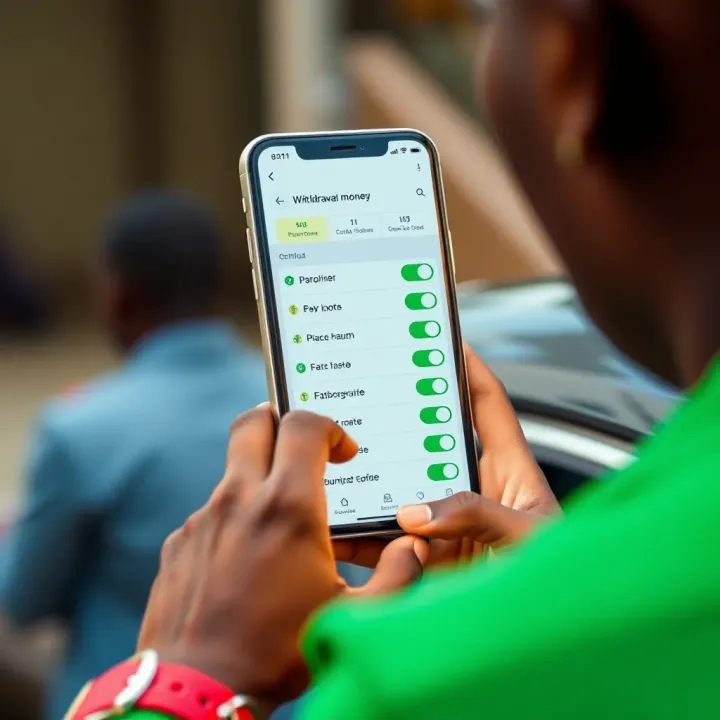
Learn how to withdraw money from your Paripesa account in Nigeria 💰. Get simple steps, withdrawal methods, and tips to avoid common issues fast and secure.

Explore how Paripesa Sugar Rush real money platform works in Nigeria 🇳🇬. Get tips on registration, gameplay, winnings, and safe payment methods ₦. Win big with smart play!

🎰 Explore how Paripesa Gates of Olympus offers real money gaming in Nigeria 🇳🇬 with safe deposits, quick withdrawals, legal insights and tips for smart play. 💰
Based on 8 reviews